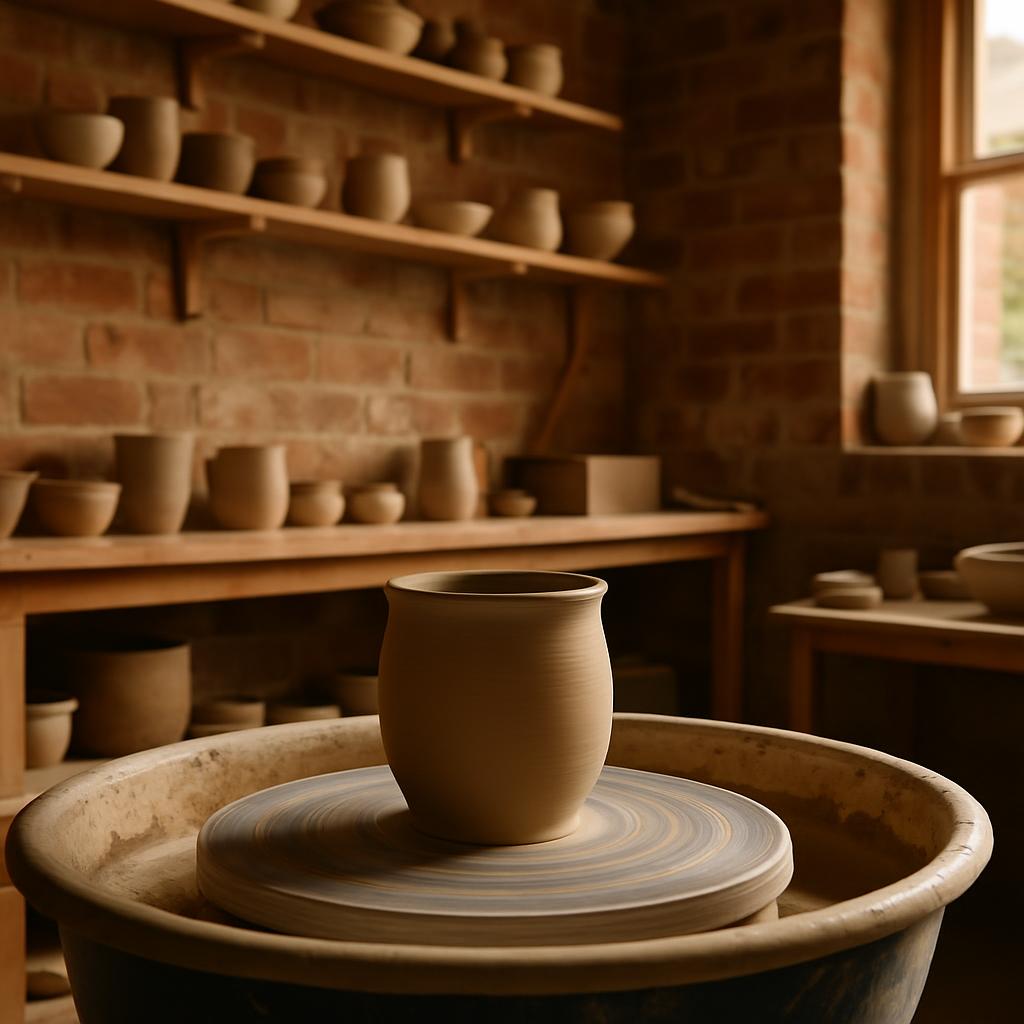
How to Choose a Pottery Class in Ruddington: A Local's Honest Guide
Find Out More →So you've decided you want to try pottery. Maybe you've walked past the Framework Knitters' Museum and wondered what it'd be like to actually work with clay yourself. Or you're just after a hobby that gets you out of the house on a regular basis. Either way, you're asking yourself the same question everyone round Ruddington asks: where do I actually go to learn this stuff, and how do I know it's any good?
The truth is, not all pottery classes are created equal. There's a real difference between a class that leaves you frustrated and broke, and one where you actually want to show up each week. Here's what I've learned from watching people in our village find (and sometimes not find) the right fit.
Location and Convenience Matter More Than You'd Think
First things first: where is the class actually held? If you've ever tried parking on Main Street on a Saturday, you know Ruddington can feel a bit tight space-wise. A pottery class that's tucked away somewhere easy to reach, with decent parking nearby, sounds like a small thing until you're rushing there after work and can't find a spot.
Check whether the studio is genuinely local too. There's a difference between "in the area" and actually in Ruddington. You want somewhere close enough that bad weather or a hectic day doesn't become an excuse to skip your class. That commute adds up fast.
What to Look For in a Teacher and Studio Setup
The instructor makes or breaks it. You want someone who's patient with absolute beginners but doesn't talk down to you. Ask if they offer a taster session—any decent pottery class provider will let you come along and see if it's your thing before you commit cash.
Also worth checking: what's included in the fees? Are materials and clay covered, or are you buying extra? Some places charge separately for firing, glazing, and finished pieces. That's fair enough, but you need to know upfront. And ask whether you can actually take your work home or if everything stays at the studio. It matters to a lot of people.
The studio itself should feel decent—not fancy, but clean and well-organised. You're going to be getting clay on everything, so it doesn't need to be pristine, but it should feel like somewhere you actually want to spend an evening.
Red Flags to Avoid
Walk away if they won't let you try a class first, or if they're vague about what the course actually covers. Any provider worth their salt will tell you exactly what you'll be learning and when.
Also be wary of promises that sound too good to be true. "Become a master potter in 8 weeks" isn't realistic. Pottery's a skill. It takes time, patience, and a fair bit of trial and error. Anyone telling you otherwise is just trying to take your money.
If they can't give you a straight answer about cancellation policies or what happens if you miss a week, that's another warning sign. You want a provider who's organised and transparent.
The Ruddington Choice
Here's the thing: you don't have to look far. Pottery classes Ruddington ticks the boxes that actually matter. They're local, they're straightforward about what they offer, and—more importantly—people in the village who've taken their classes actually go back. They're not overselling, they're just running solid pottery classes for people like us.
Take a look at our homepage and see if it feels like a fit. Better yet, get in touch and ask about trying a session. That's the real test.
Looking for Pottery classes near Ruddington?
We have secure, flexible units available in the area. Get in touch with Pottery classes Ruddington today.
Find Out More →